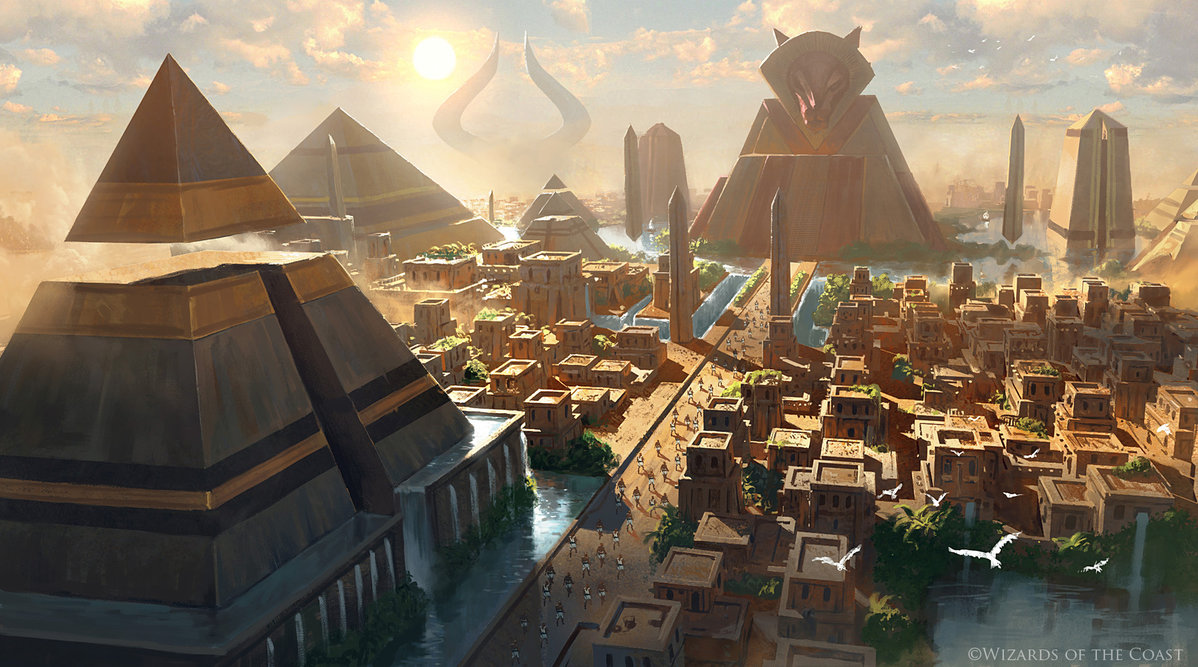
The Sands of Time whispers the tale about life after death. Readers! We are now going for a journey to the next world. The world where there is a new life inside the colossal tomb. It is said that the triangular tomb contains some dark secrets about Egyptian society. So, let’s visit and dig some secrets, later find the mysteries behind the Mummies in our episode 3 of Historical events.
WHAT ARE MUMMIES?
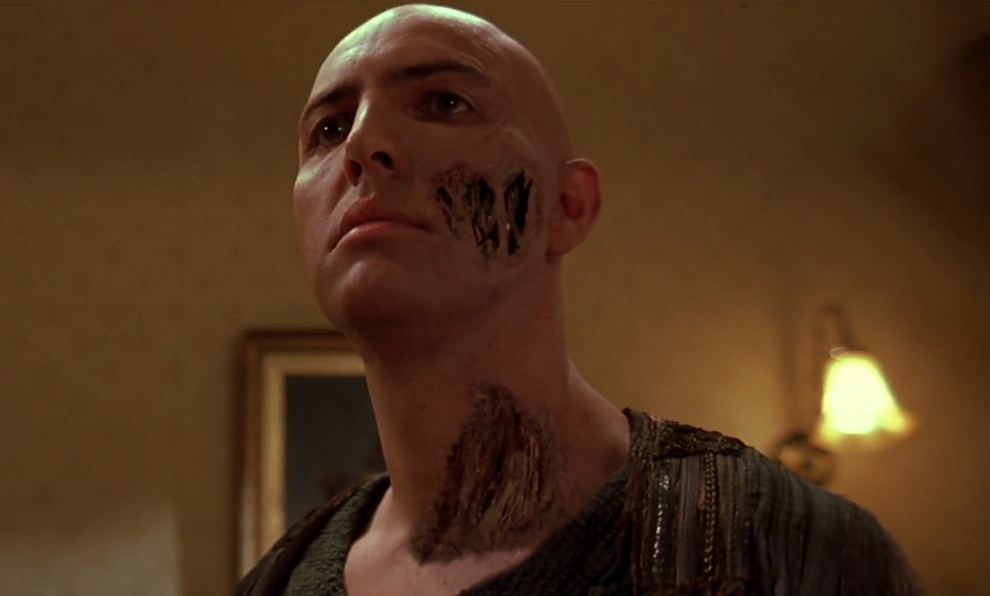
It’s dead and scary. From our childhood days, mummies have been portrayed as a bad scary creature in cartoons, movies and novels. Well, on a lighter note they are scary but they aren’t as bad as they’re told. The Egyptians believed in life after death. So, the people honoured the dead through mummification and placing them inside sarcophaguses and building pyramid for the tomb.
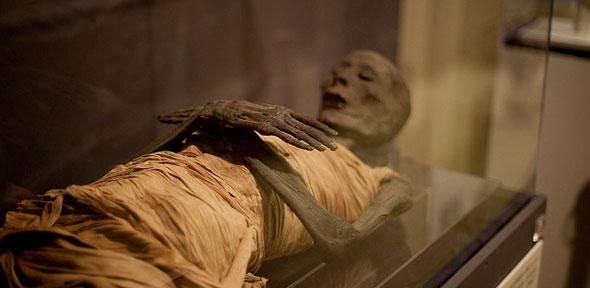
A Pharaoh (King of Egypt) is mostly mummified and kept in the pyramid. There are experts to take on this practice of mummification and they are experienced in human anatomy as well. They mummify a dead and also place the dead person’s favourite possessions like food, wine, household items and even pets and servants with them. They believed that these possessions will be later utilised in the afterlife. Many civilizations like Incan, Australian, Aztec, African and ancient Europeans followed similar techniques. It is interesting to find that Egyptians aren’t the first society to mummify dead, Early South Americans started this practice initially and later it spread like a wildfire. Few Buddhist monks starve and decay to mummify themselves on their own! The priests do all this to help the dead hear his judgement about the afterlife from the God of Death himself.
“To pronounce the name of the dead is to make them live again.”
― Margaret Atwood, The Blind Assassin
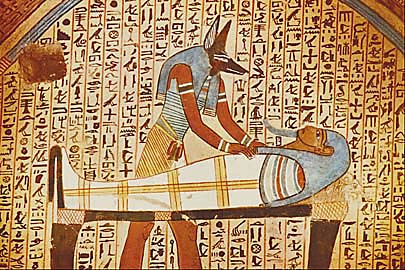
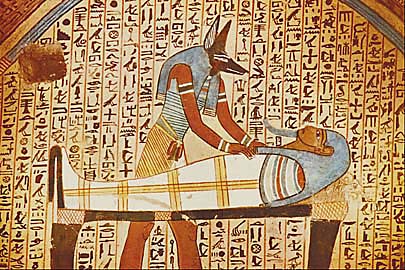
ANUBIS-EGYPTIAN GOD OF DEAD
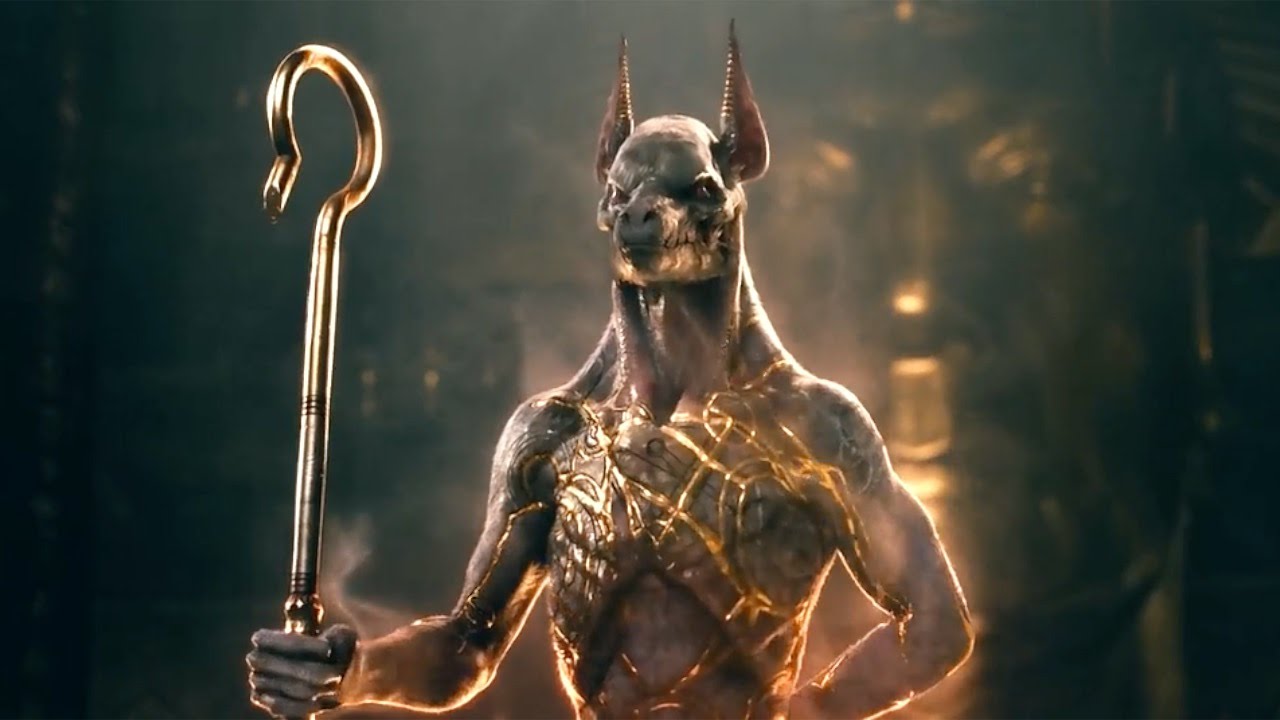
The dead soul seeks answers from him. The God of Dead, Protector of Tomb. ANUBIS. Tombs and Cemeteries are the places to worship this God. Discovered by the early men of the first civilization of Nile. It is derived from Anupu/Inpu where Inpu means ‘Royal child’. Anubis decides the soul’s fate by measuring the heart, whether it is worthy enough to have an afterlife. That is the reason why the heart is undisturbed while mummification.
“Animals are always goddesses and gods, like the god Anubis. He’s the one who’s accompanying the souls to the next life, and he’s the one who decides if they will be able to cross or not.“
-Michal Rovner
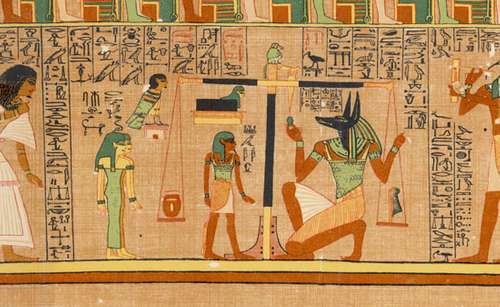
The Body of Anubis looks like that of a man and has a black Jackals head. In reality, the Jackals feed on dead animals. The sworn duty of Anubis is to guide the souls and protect the tomb. The priests wear Jackals masks while performing mummification. There will be priceless possessions inside the pharaoh’s tomb and it’ll attract robbers. But there has been a rumour that no one shall return from the tomb possessing something that belongs to the pharaoh. They shall be punished with death. The Egyptian society believed that Anubis allowed afterlife and they started worshipping as God even today.
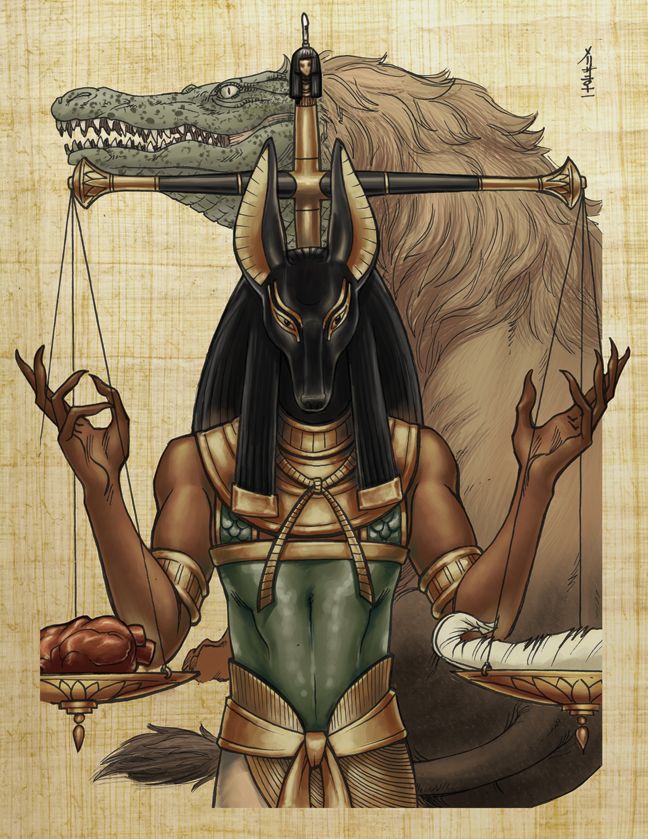
MAKING MUMMIES
Have you ever thought about making a mummy? Please don’t ever try this at home, since these are performed by experts. Experts as in the special priests or popularly known as embalmers. They have good knowledge of human anatomy. They perform ‘opening of mouth’ ceremony where the priest touches the parts of the dead and chants prayer to activate them in the afterlife. Let me walk you through the mummification process in steps.
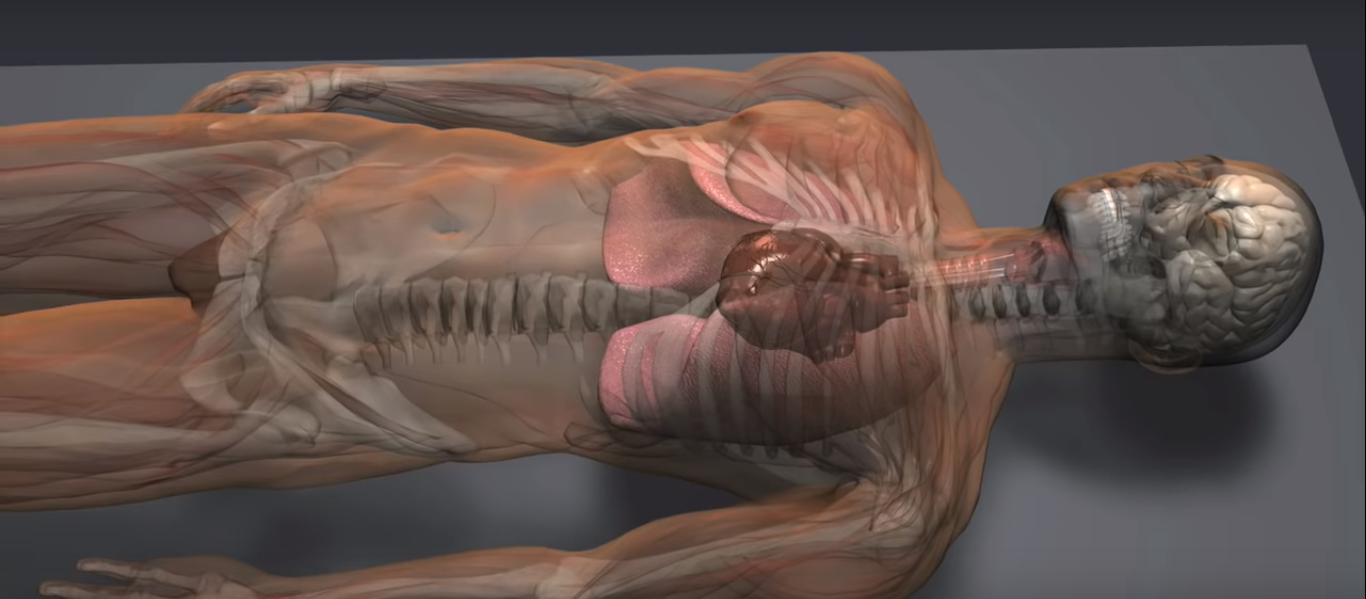
1. The dead person is kept naked on a raised surface and operated. Living cells can rebuild itself after damage made by certain enzymes. But after death, this revival of cells is not possible and thus the body decays. So, the embalmers remove internal organs (stomach, intestine, liver, lungs etc., which has bacteria which results in quick decay) except heart as it is considered holy and the judgement resides how pure heart is.
2. Next, the brain is mashed by hooking up with sharp instruments into the nostrils and brain tissues are removed.
3. Other internal organs are kept in canopic jars and are buried along with the dead.
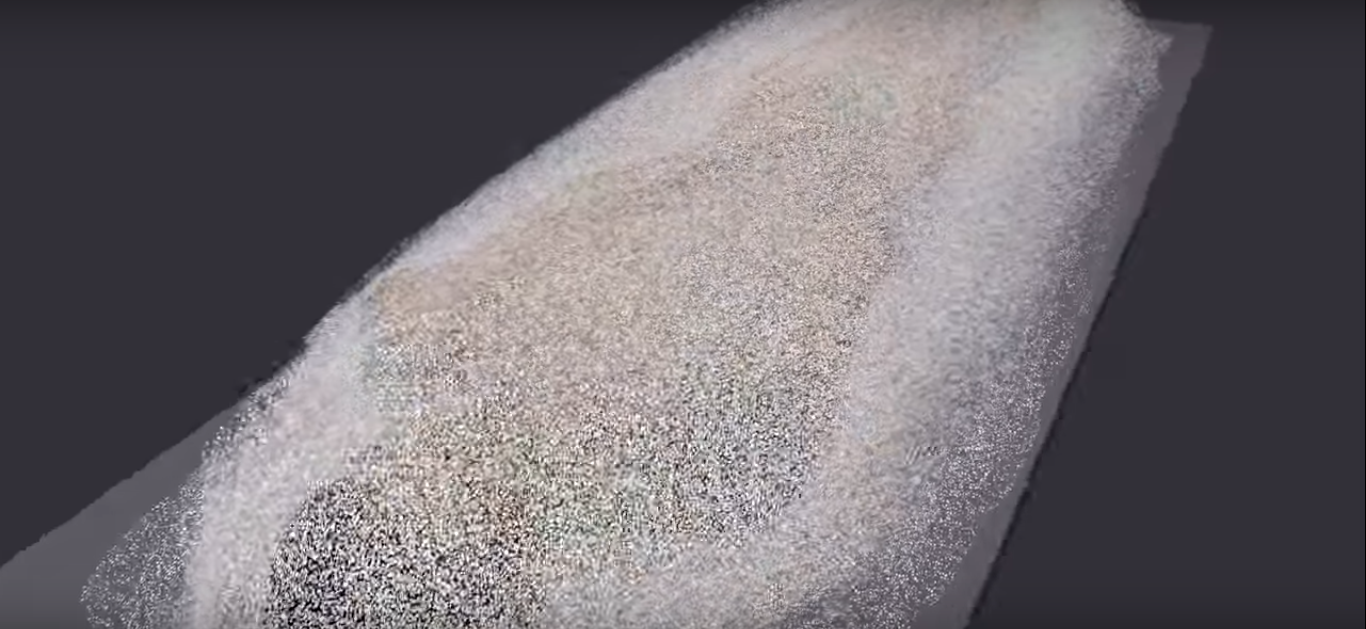
4. A special salt called Natron used to remove moisture from the body. After 40 days the salt filled over and inside the dead are removed. Now, the body looks very brown, skinny and emits a bad odour.
5. Perfume resins are poured and later glue resin is applied over the dead.
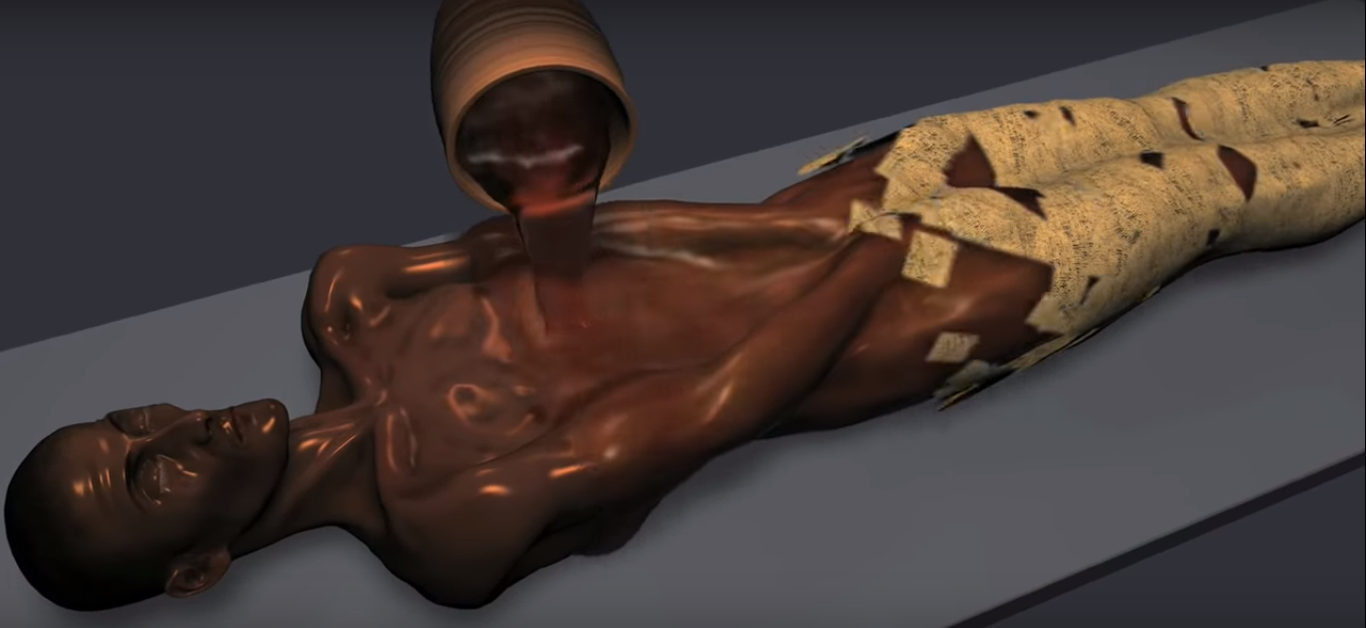
6. Long linen strips are wrapped around the body and then glue resins are applied and the process repeats for 2 to 3 times
7. Amulets and prayer words are kept on the dead and then a mask of his portrait is placed on the head.
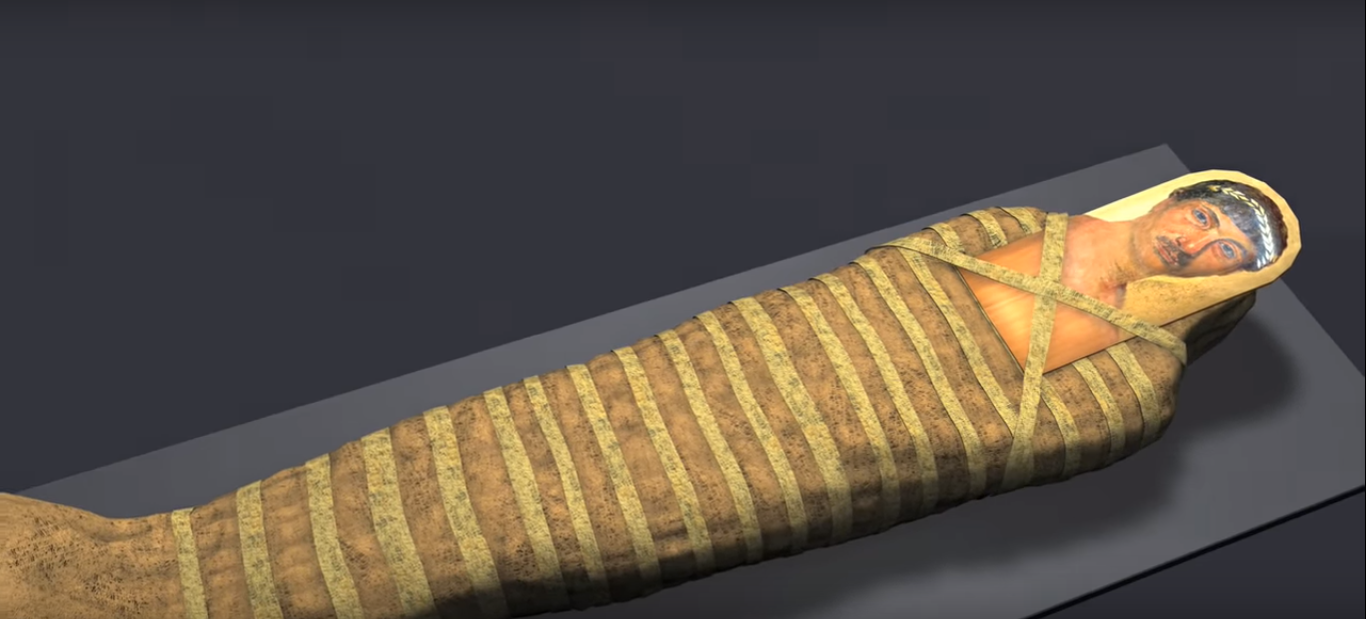
8. Lenin cloth is draped on the whole body and over the resins linen strips are further wrapped.
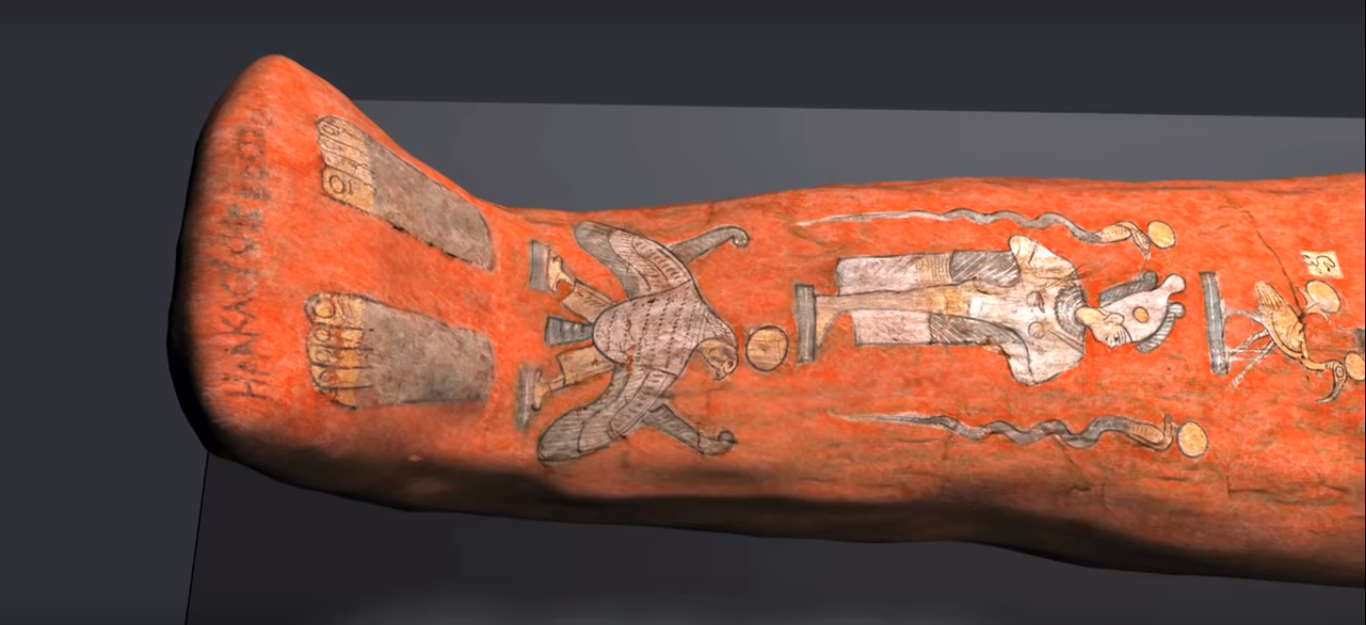
9. Symbolism about the life of Pharaoh is drawn on the cloth and name is mentioned near the legs.
10. The mummified person is kept inside the gold coffin and later inside the pyramid along with valuable possessions.
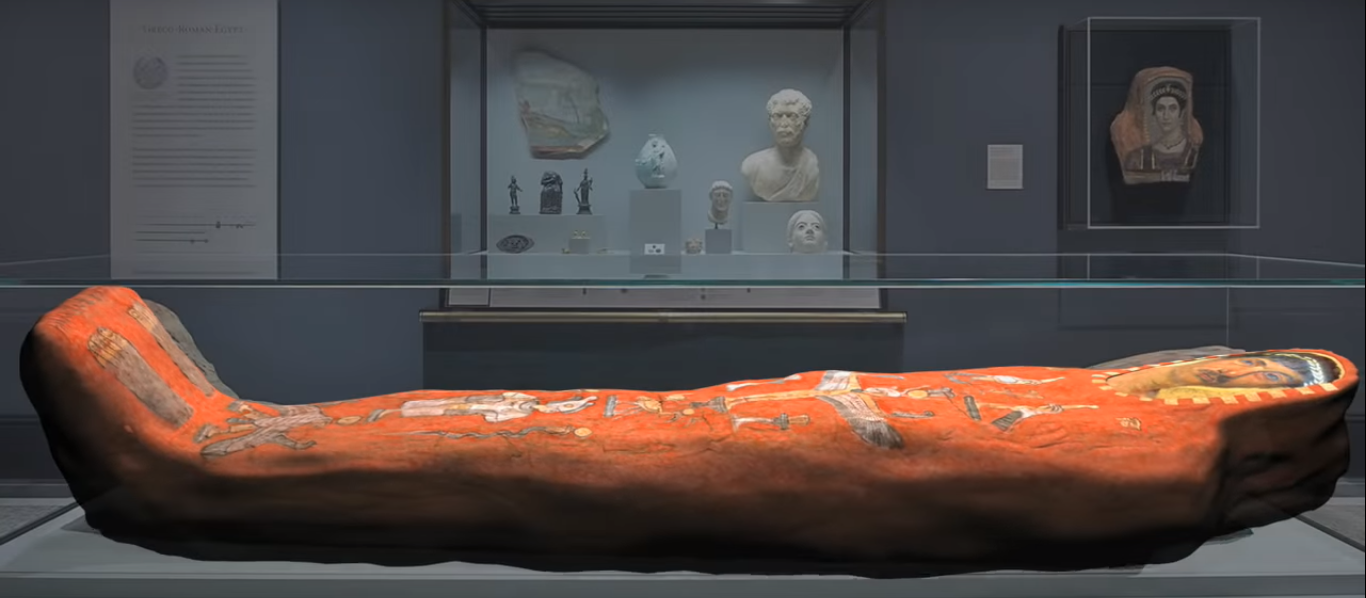
WORLD FAMOUS MUMMY
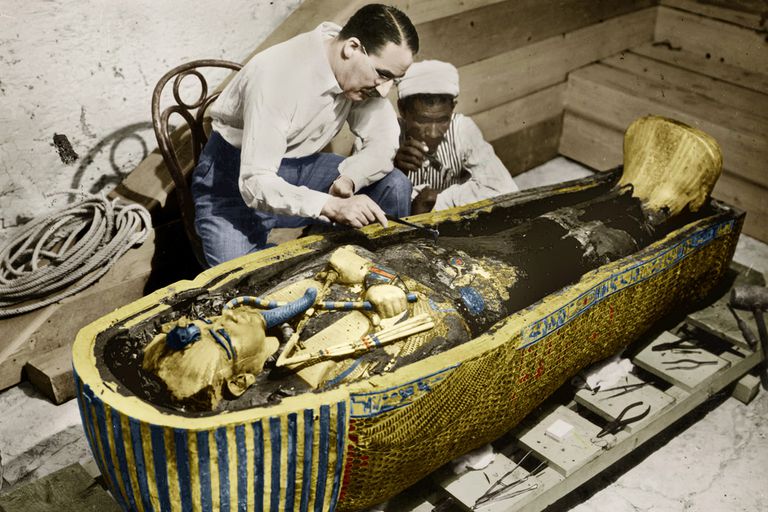
After World war 1, In 1923 archaeologist Howard Carter and Lord Carnarvon were searching intensively to find a mummy. They visited the valley of kings in Egypt and found a cave which consists of a big gold coffin. It contained 3 coffins inside and in the last coffin, they found a mummy preserved for over 3000 years old. It was King Tutankhamun (1336-1327 BC).
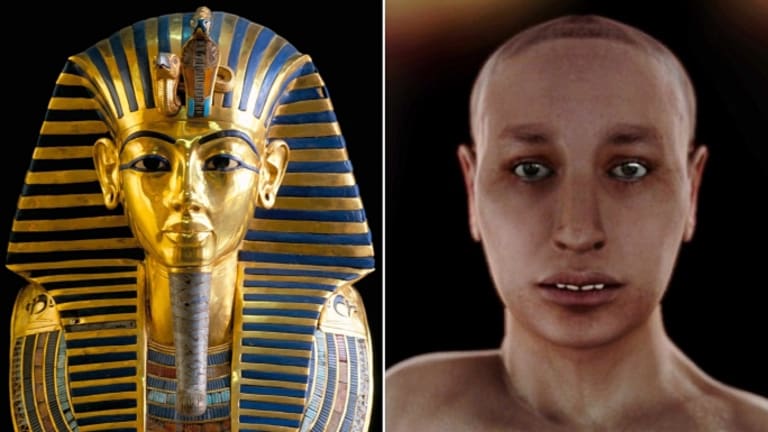
King Tutankhamun was born a wealthy prince. He was 18 years old when he died. Howard researched about King Tut’s death and he found the possibilities that he could have met with an accident while travelling chariot or it could have died on a battlefield or this could be a murder. The research process is still ongoing even today in 2019 as the news gets updated frequently regarding the discovery. His real name given by his parents is Aten (Sun God) since King Tut didn’t worship Aten, he changed his name to Amun (King of Gods).
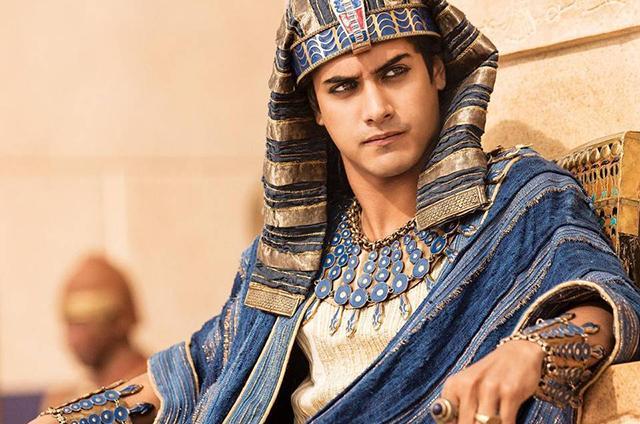
He was ambitious about his death so he planned on building his own splendid tomb and coffin. His tomb was unfinished when he died and was placed in a non-royal substitute tomb inside a 2nd hand coffin. After his tomb was completed his body was moved to the gold coffin. Howard reported that his heart was missing and he found iron dagger was King Tut’s favourite possession as he had 16 miniature blades in the coffin. His coffin is considered to be the world’s most expensive coffin of 1.88m and 110.4 kg full of gold which costs nearly 1 million euros at that time, imagine how worth 1 million euros today! It is also rumoured that King Tut’s tomb his cursed and has his spirits. George Herbert who accompanied Howard died of blood poisoning in a later period after the discovery. But the scientists declined the false claim about the curse. Nowadays people say ‘you will be empty-handed in your coffin’ to remind ourselves about greed. But look at King Tutankhamun, the dead still speaks!
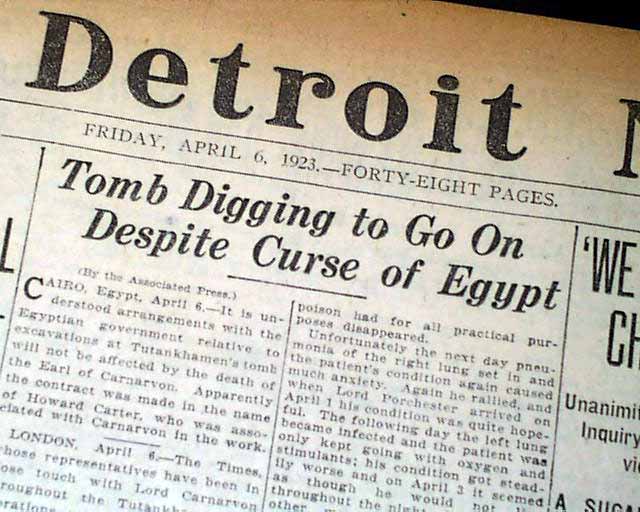
News about curse 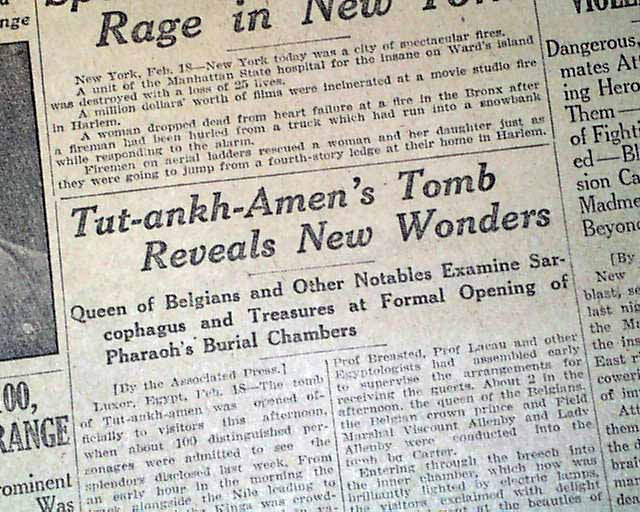
News about discovery
CONCLUSION
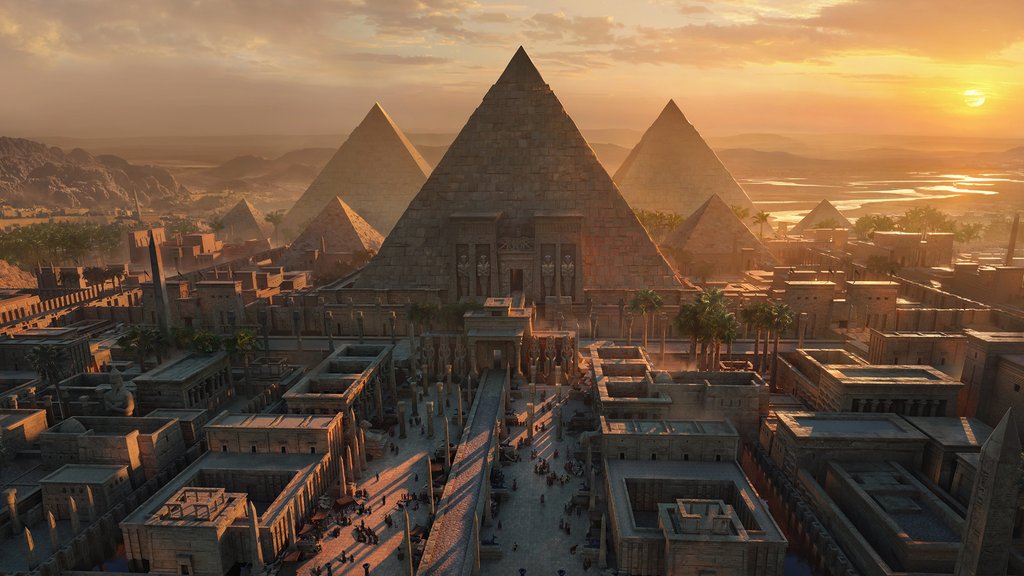
Joy and happiness were seen in the air as Egyptian celebrated the death of an individual. The Pharaohs planned their tomb and coffin while they’re alive reminding themselves about death and loving life. Egyptian literature says about three types of spirits namely ‘ka’, ‘ba’, ‘akh’. Where ‘ka’ means double by which material such as offerings is placed among the living. ’Ba’ means soul which is free after death and ‘akh’ means spirit which goes for the final judgement.
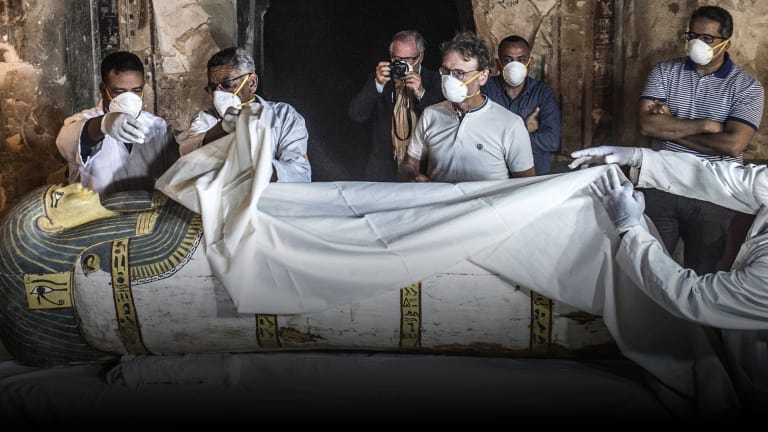
Ancient writer and modern scientists used these mummies to research about early men lifestyle and culture. Development of X rays and autopsy helped in understanding early men’s health and diseases they endured. Hope you might’ve learned that mummies aren’t so bad as they were portrayed, the Egyptian society teaches us about life, death and life after death. They also remind us about the good deeds has an impact (Karma) on the afterlife. Also, their culture and their importance to building pyramids look astonishing as they stand as one of the best world wonders.
Please do leave your view about Egyptian culture. Share this with your friends and let them know about this society and their bizarre ways of celebrating death!
Weigh the anchor and hoist the mizzen. Everyone! Board the ship we’re going to visit another discovery soon.




 Musée du Ben
Leave a comment