
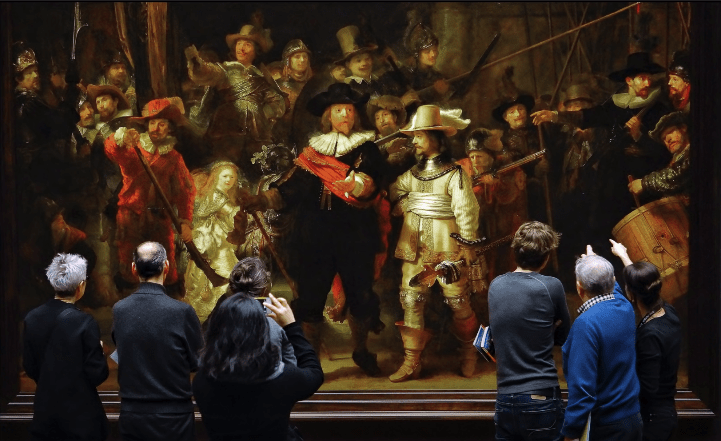
The sun has set and the militants are gearing up to serve an important duty, to save their country, the people and the pride they possess over the nation. Getting ready for an important mission, every eye expressed mixed emotions of bravery, tired and tense. This scene was coloured and was called as Militia Company of District II under the command of Captain Frans Banninck Cocq popularly known as “The Night watch”. This humongous painting of size 363 cm × 437 cm (11.91 ft × 14.34 ft) was painted in the year 1642 by Rembrandt van Rijn, a prolific visual artist in the history of Dutch. Widely known for his Baroque painting and group portraits. In the era of many static portraits, Rembrandt made movement paintings where each character involves in doing something rather than stillness and looking directly at us. The mighty painting is displayed at Rijksmuseum, Amsterdam. The name arrived since the scene in the painting looked like it was night, but the truth is, it isn’t!
Dirty Night

For many years, the painting was believed to happen at night. But they realized that it wasn’t when the painting got restored. The dullness was due to the dirt and varnish that was stuck to the painting. Rembrandt wasn’t the one who gave the name. The restoration process revealed that the scene happened during the day.
The Dutch Men
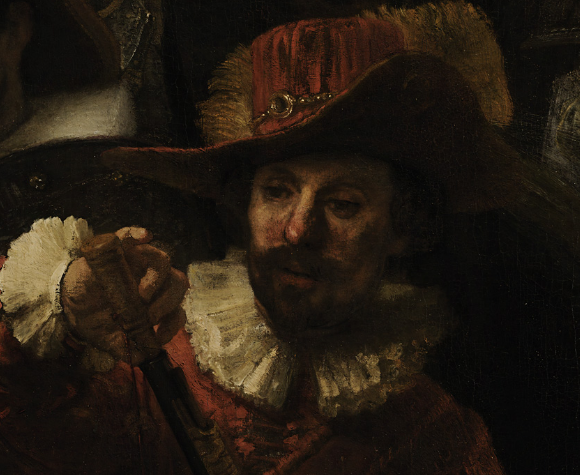
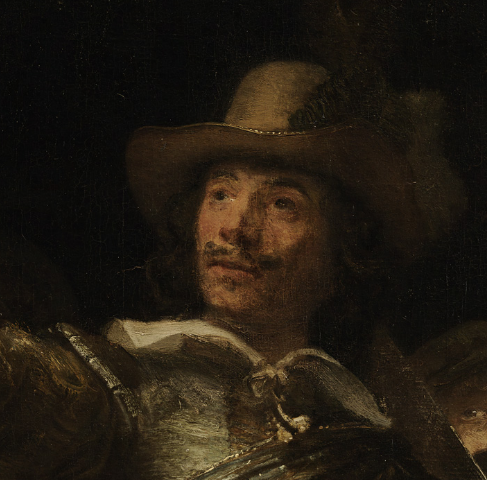
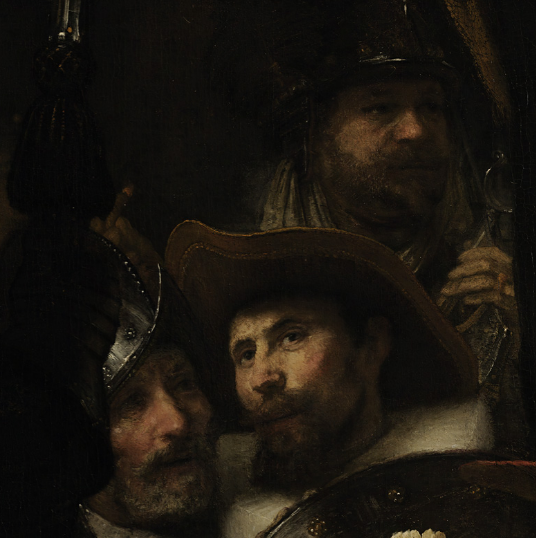
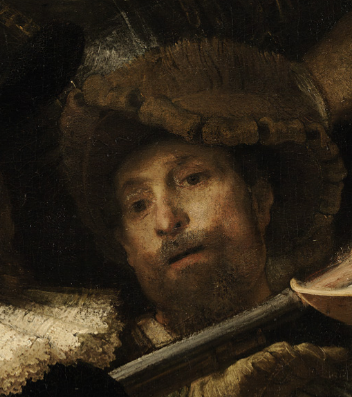
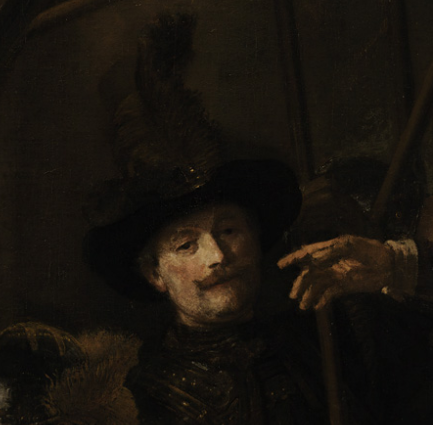
The important men in the painting can be easily identified as the two men who are placed in the middle of the crew. The one with the black cloak and red scarf around him is the Captain Banninck Cocq who is in the position to give a command, besides him is the Lieutenant Wilhelm van Ruytenburgh who is dressed up with bright golden cloak. The other men behind in the background are lost in their world while getting ready to defend their cities. There can be felt chaos in the unity where each performing their actions combing to a whole. While only the captain and lieutenant have the determined face with an objective, others looked least bothered and it is not sure whether their objective was achieved. The painting was commissioned by Bannick Cocq and his 17 members from Kloveniers. The drummer on the right was drawn for free. All these names can be seen in the shield hanged on the wall. These Dutch citizens can certainly see carrying the weight of the hope of the entire nation
Story of Weapons
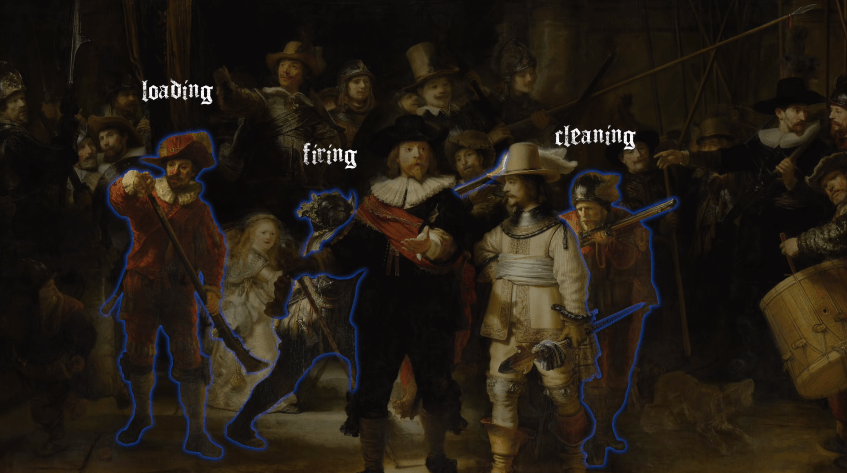
As the men are getting ready to serve at a battle, they are gearing up their weapons as well. The primary transition can be seen behind the captain. Loading, firing and clearing the gun powder, these are the three phases of using the musket, same as depicted in the book called “Exercise of arms”.
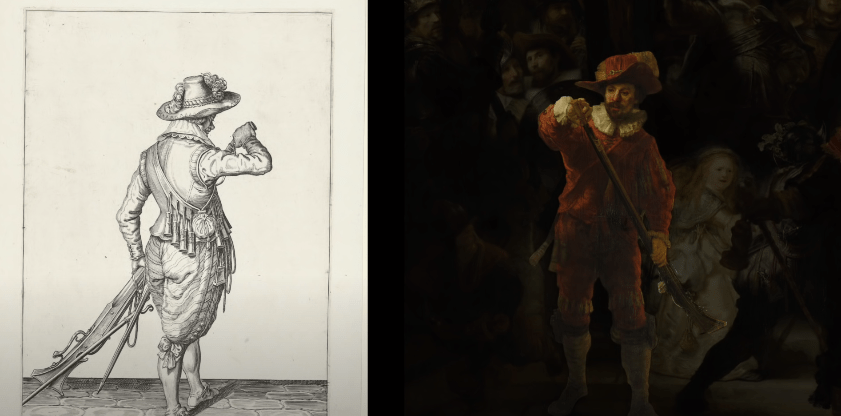
Loading 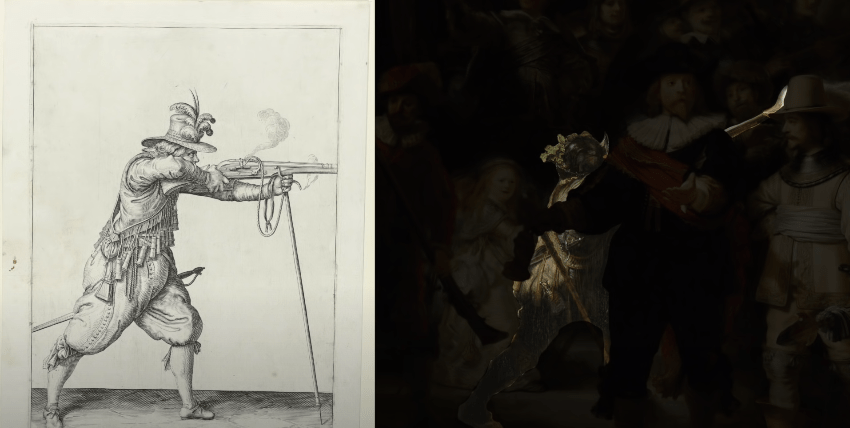
Firing 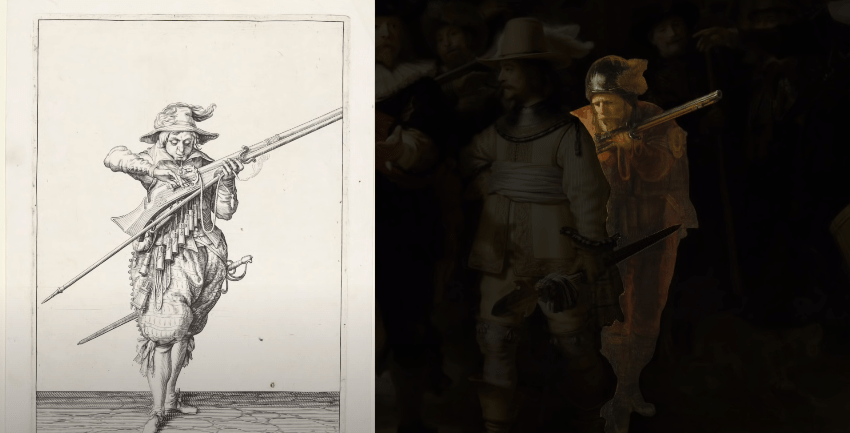
Cleaning
If you closely notice the nozzle in the firing phase, the smoke can be seen coming out which easily blends with the feathers in the lieutenant hat.
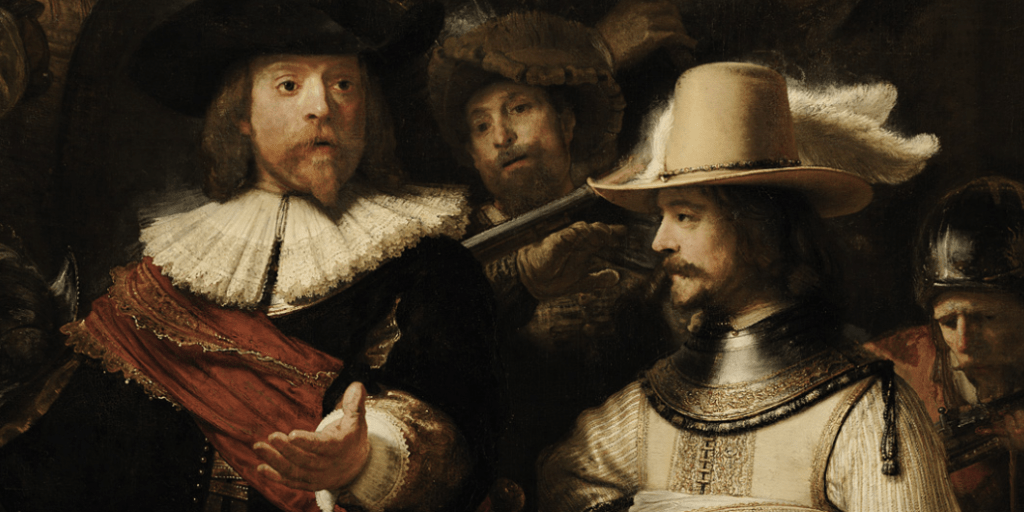
The next unique weapon is lieutenant’s partisan which looks like a royal short spear, so sharp that it can tear through the painting itself. Few men on the right possess spears but with the long handle and the blades at the edges are short. But on the contrasting nature, a soldier on the left has a big spade-like weapon which looks more like an amalgamation of both spear and an axe.
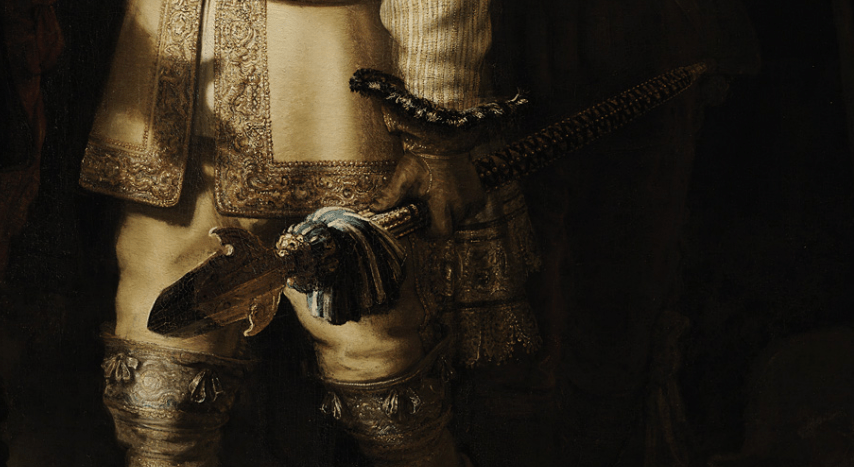
Partisan 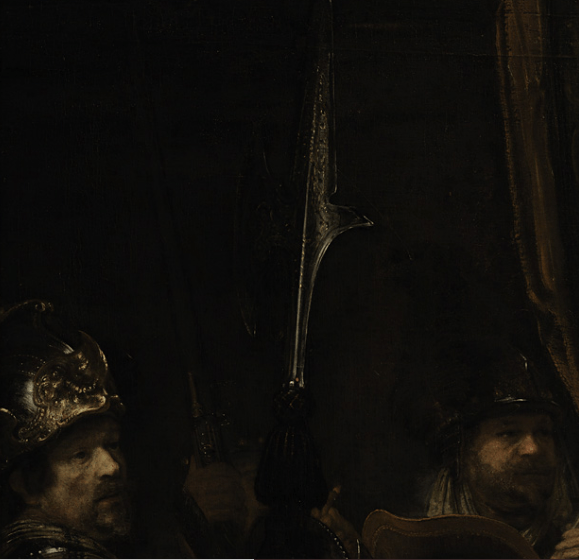
Axe plus spear 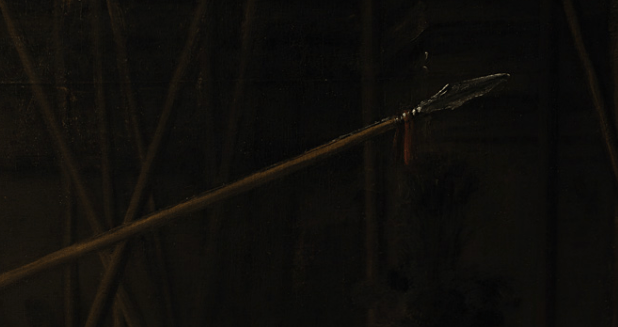
Long Spear
The black cloak person on the right who is gossiping with his friend possess a large spear blade with a short handle. The bright girl behind the captain is the only girl in the scene. She could be the mascot of the crew, if we closely notice her waist, there is a dead chicken hanging upside down the claws of the chicken also resembles the logo of Kloveniers coat of arms.
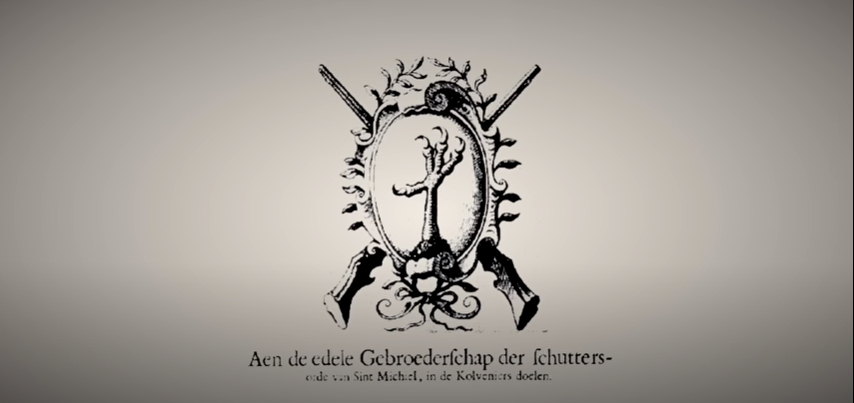
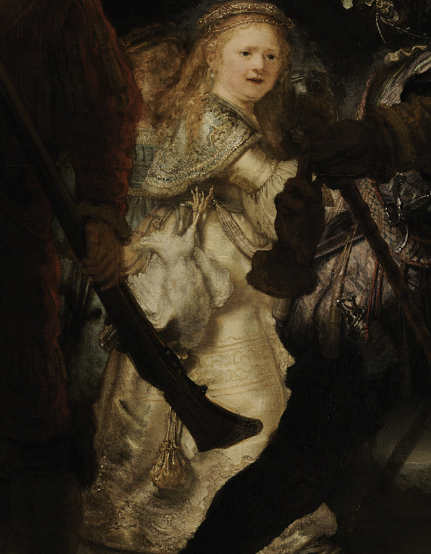

Next to the chicken leg, a handle of the pistol can be seen. There’s also be another girl’s head seen in the background, but not sure who.
Game of Light
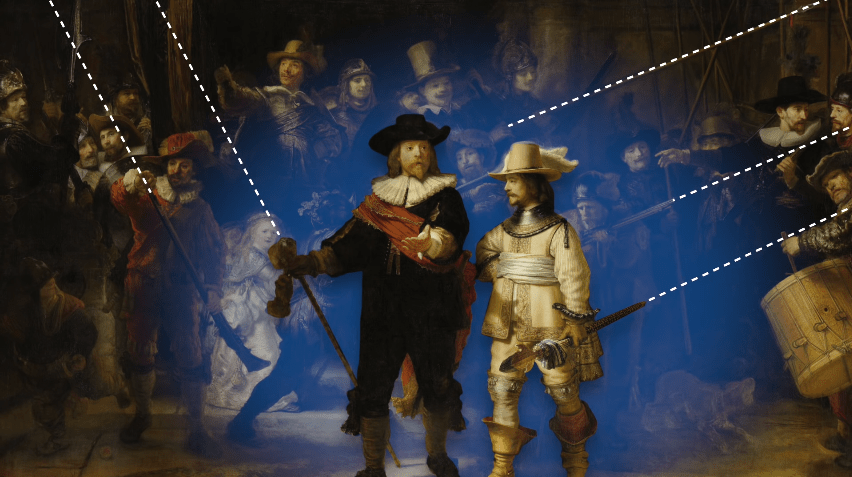
Rembrandt proves himself as a master of Baroque painting with the use of light. Usually, in group portraits we can see there is lightly falling on all the men giving importance to everyone. In this case, only the Captain and lieutenant are given the primary importance and the picture gets dark moving to the background. The famous cinematography technique “depth of field” is being used here as we can feel that the men in the front are emerging out of the paintings like the hand of captain is reaching out to us. The detailing provided to the face of captain is higher and the details are low in the face of men far behind. He also makes sure that the depth is certain by making a geometrical alignment with the help of weapons held by the men.
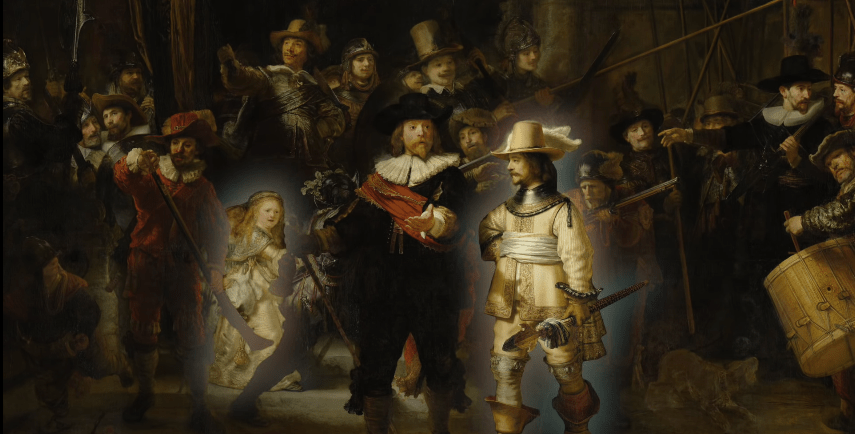
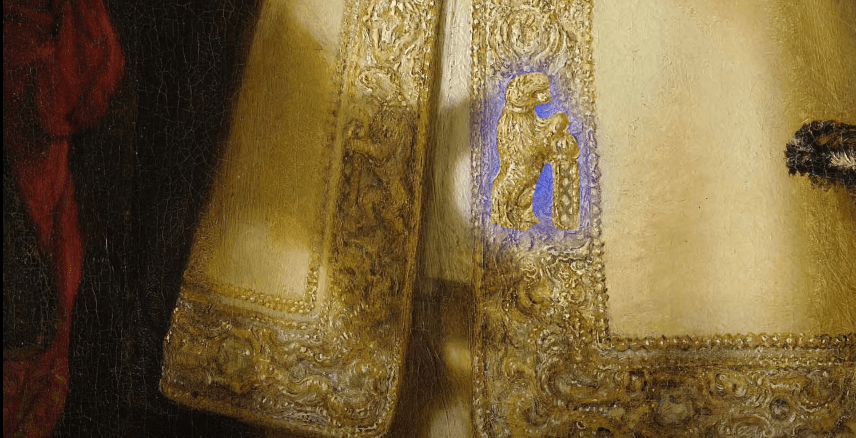
The light majorly falls on lieutenant and the mascot, the shadow of the captain’s hand also falls on the lieutenant cloak over the design of a lion and three crosses, which is the emblem of Amsterdam.
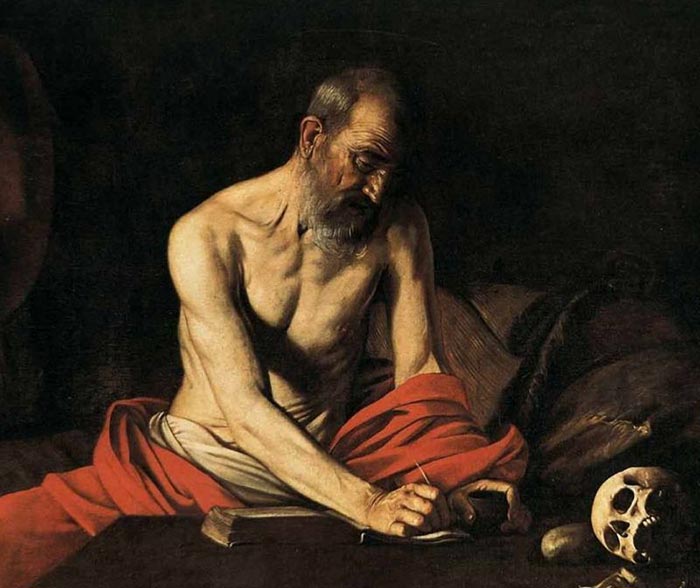
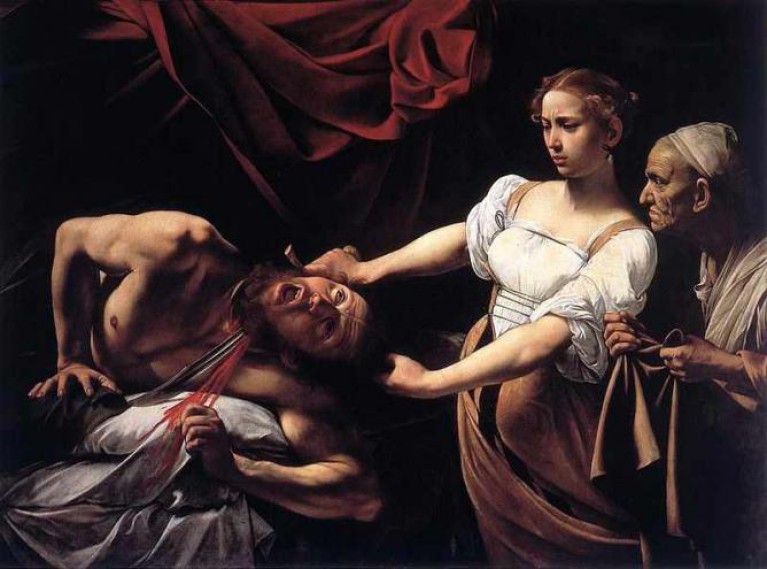
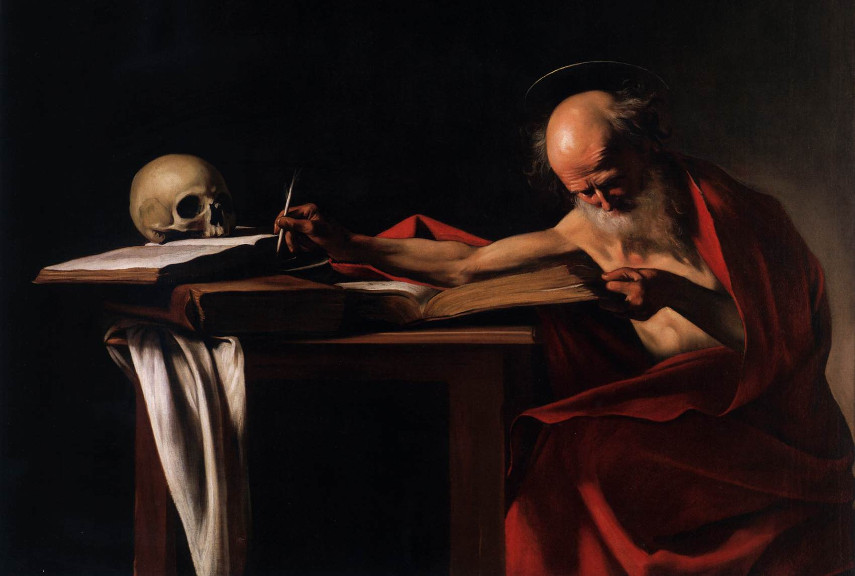
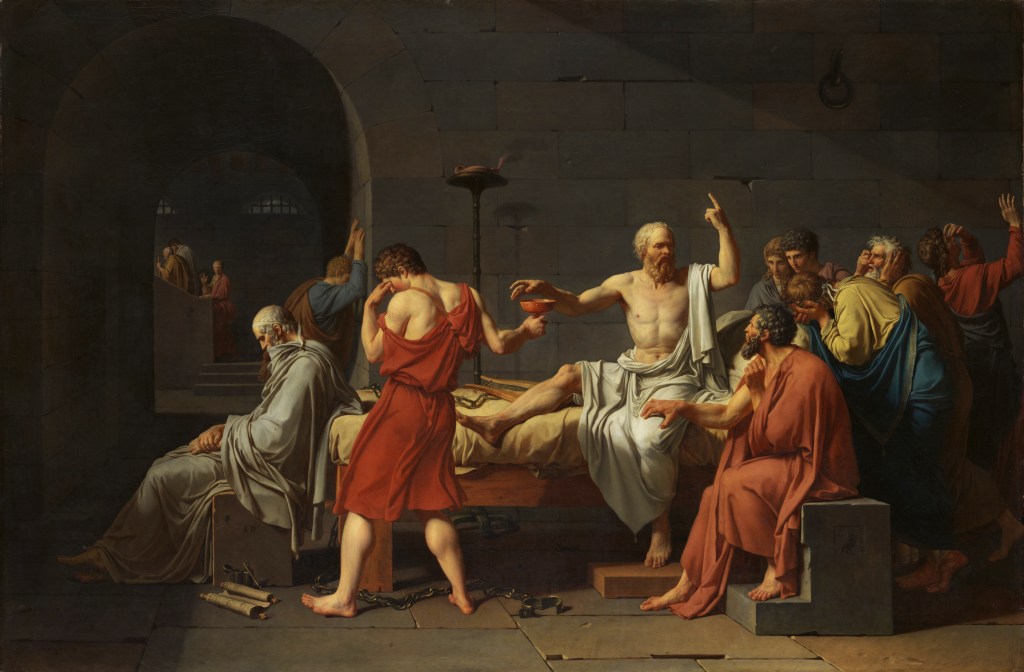
Rembrandt used the famous feature called chiaroscuro which is an effect of light and shadow which makes the contrasting light fall on the subject and brings the subject alive by being a part of them. The light of the lieutenant and girl helped in bringing the effect of showing Captain in front. Not only did this painting is about a battle but the painting itself went under a series of battle. Following are the examples of painting where chiaroscuro lighting is used
War of the painting
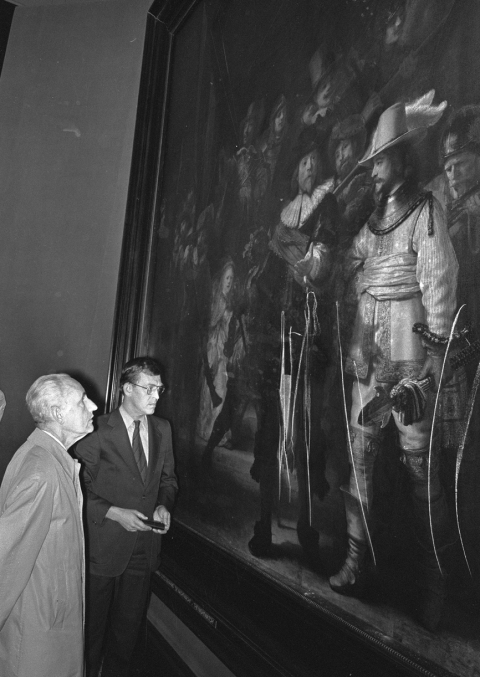
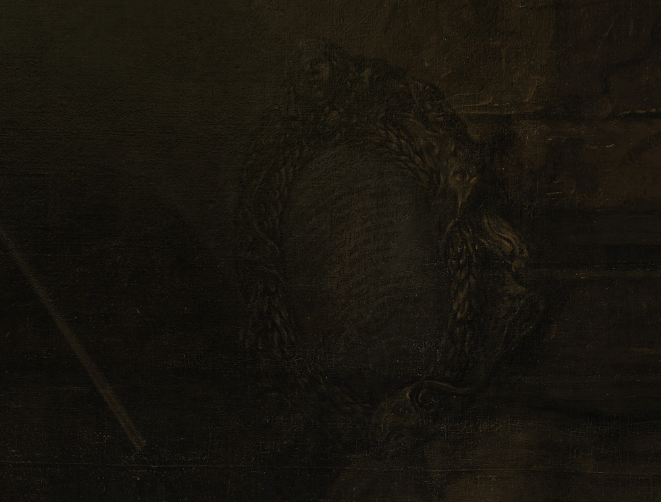
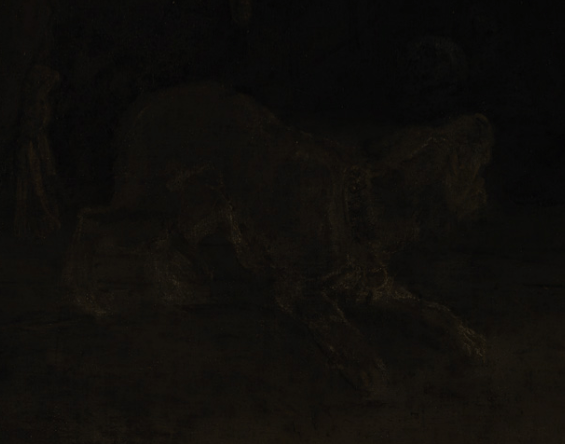
The painting underwent few vandalism attempts by the public. On 13 January 1911, a jobless shoemaker and former Navy tried to damage the painting with shoemaker knife, but the thick varnish on the painting didn’t allow the blade to penetrate causing less damage. In 1975, the work was attacked by a former teacher with a knife causing a zig-zag cut on the painting. He was delusional as he told that the Lord asked him to carry out this mission. On 1990, an escaped psychiatric patient splashed acid on the painting, but soon the security intervened and stopped him and the acid. They sprayed water which stopped acid from penetrating beyond the varnish layer. These vandalism attempts lead to the restoration of this painting several times. There is a dog-like structure behind lieutenant, which can be seen having a vague detail. Those were the results of vandalism and restoration
Childsplay
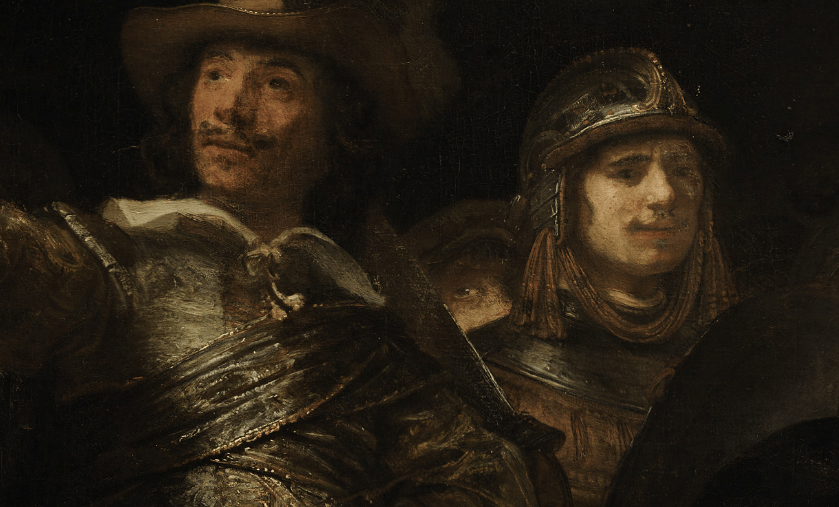
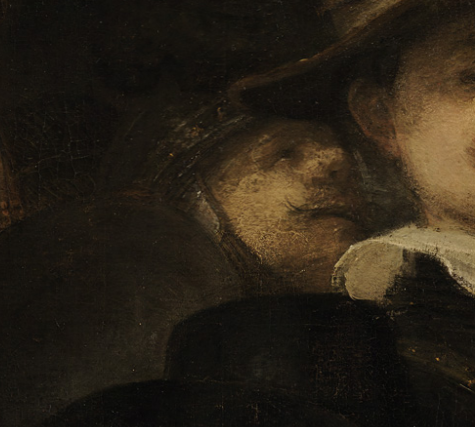
Rembrandt can be considered being mischievous with this painting as he drew himself hid among the men. Observing closely behind the man holding the flag, an eye of a man with his beret can be seen. Many claimed that it was Rembrandt’s way of mocking the Dutch militia by having a sprinkle of humor in the battle scene. Also, the interesting stuff to notice is that no one in the scene has a similar kind of hat. Each hat/ armour is made from a different material, few are worn by the noblemen and few are worn by the men in battle. The distinction in the hats made the painting further magnificent.
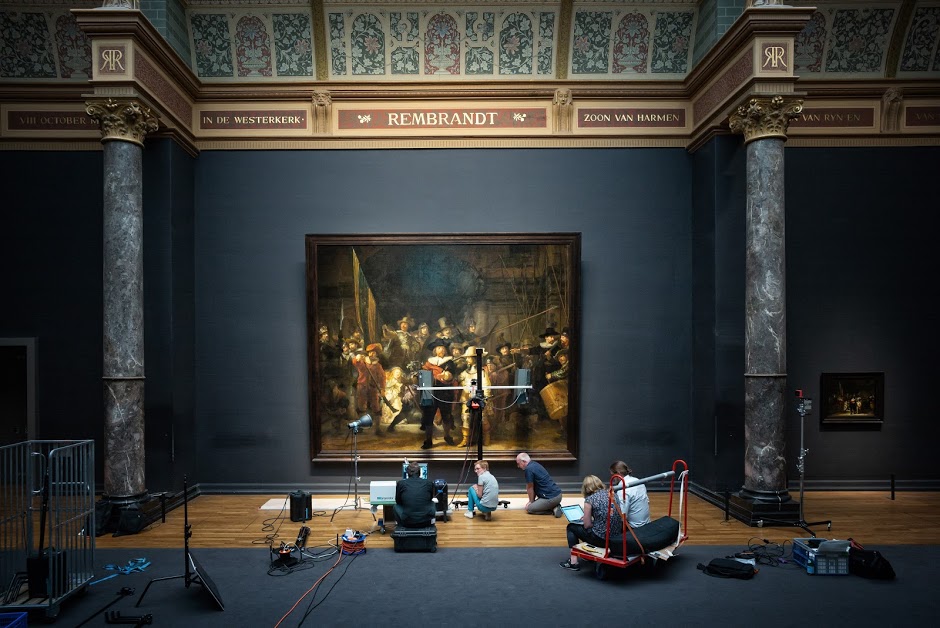
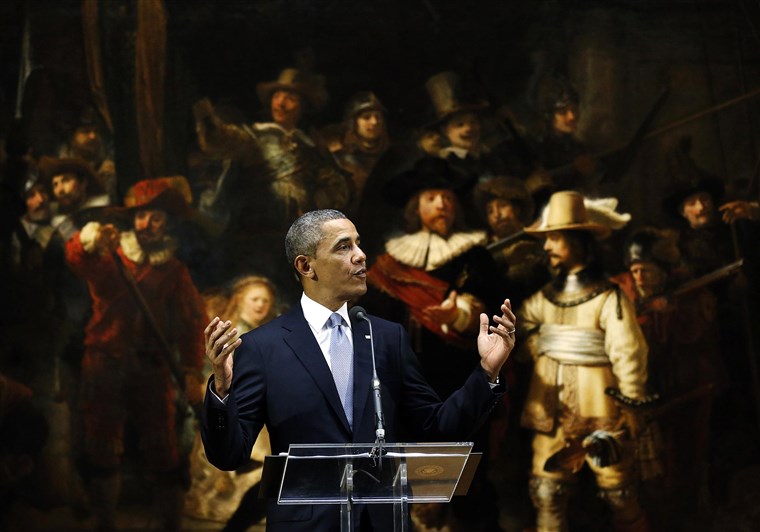
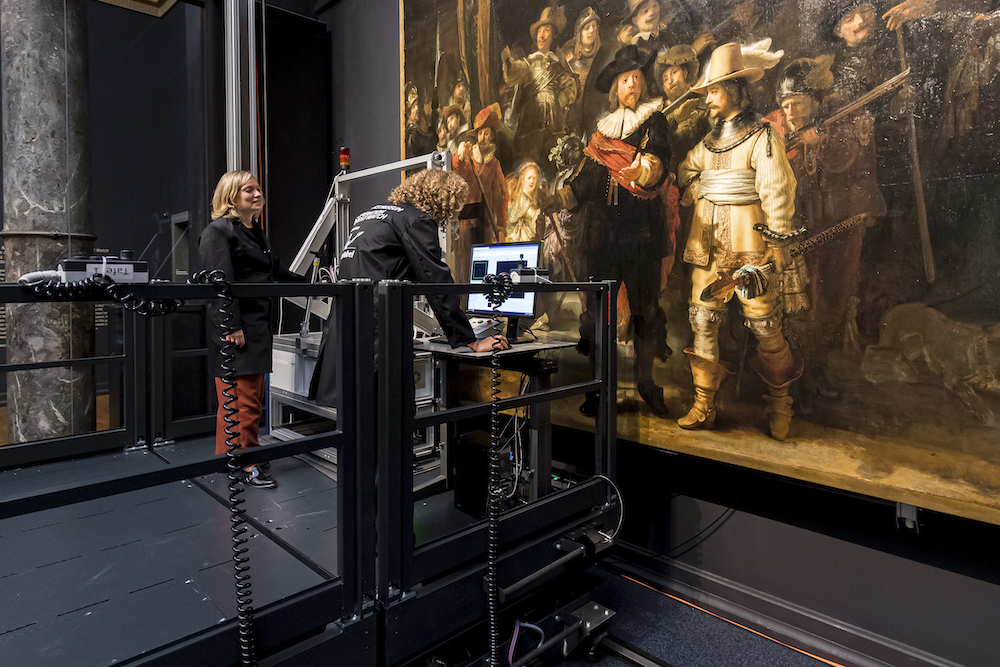
If this painting had sound, there would have been complete chaos of noises coming from all direction as the men are active with drums playing on the side. Initially, when this painting was created it was further bigger but later it the edge portion of the left and top was cut to fit into the frame of the museum. As every brave man marches towards fighting for their glory under the command of Captain Bannick, the painting marked as the icon of sheer will the Amsterdam citizens carried in their heart and soul. There were few resources which claimed that they are not going for a battle but some ceremony. But why do the faces of soldiers look so dead while gathering their weapons? if not towards the march of death then what else?
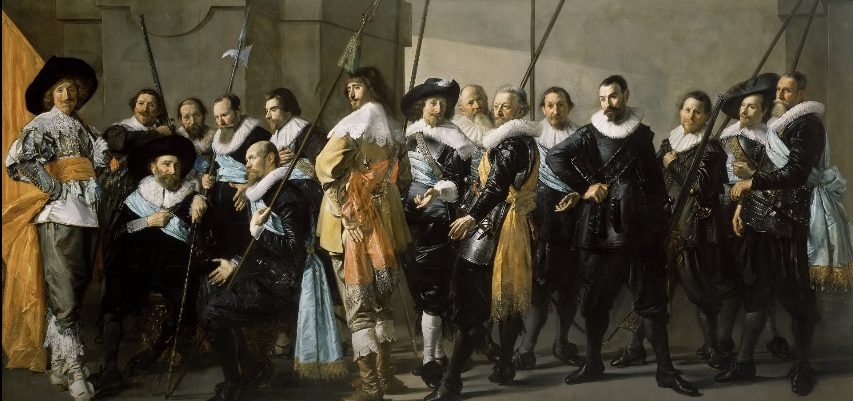
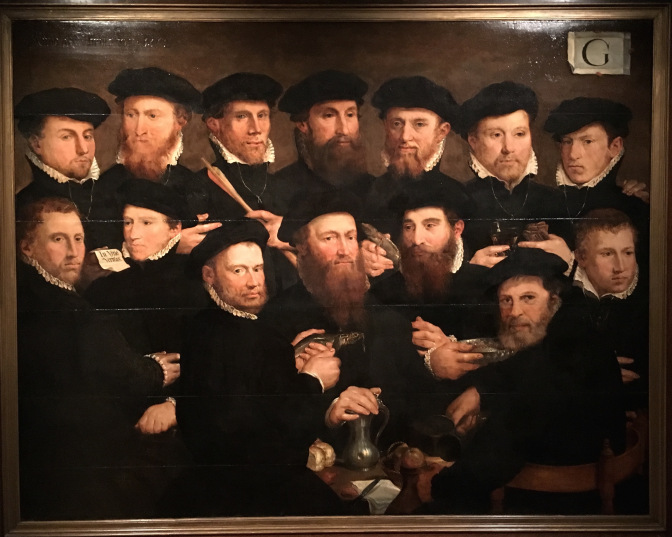
Here are other militia group portraiture paintings
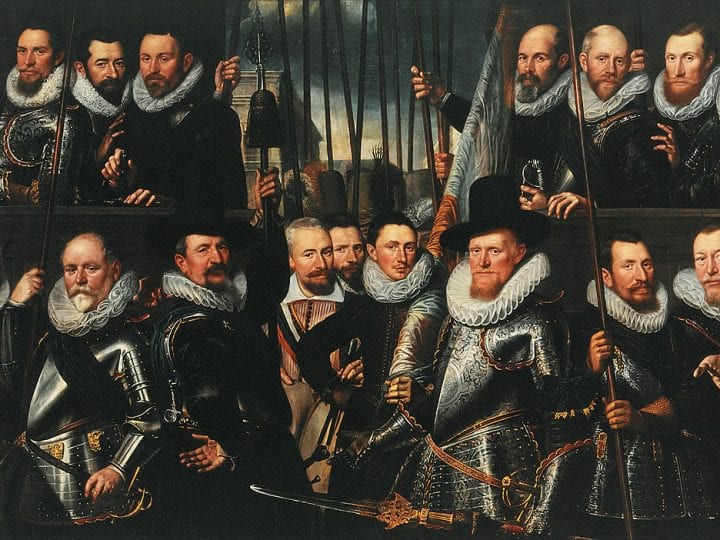
Please do leave your view of the painting. Share this with your friends and celebrate art!
Weigh the anchor and hoist the mizzen. Everyone! Board the ship we’re going to visit another beautiful discovery soon.

 Musée du Ben
Leave a comment