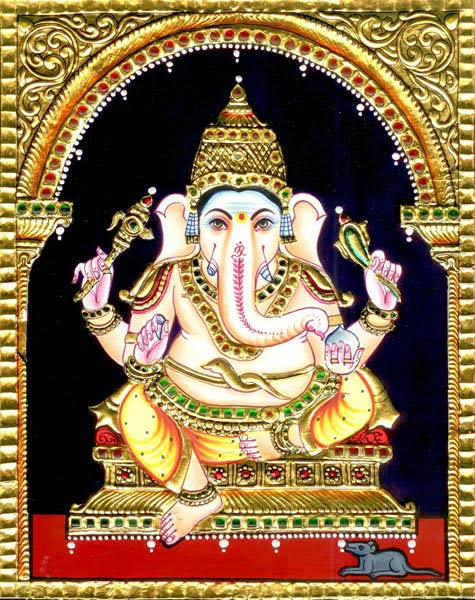
Dipped in the potion of culture and tradition a piece of work originated. Tanjore Painting! Let’s witness one of the oldest forms of religious artwork which enhances the beauty of Tamilnadu’s history in art. Drop the anchor and let’s dive deep into episode 3 of Artworks.
Traditional richness
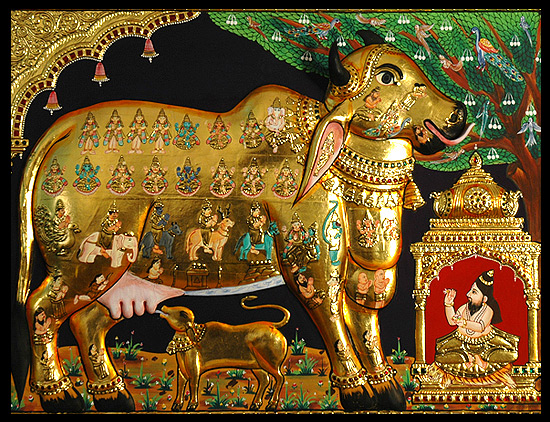
In the early 16th century under Cholas reign, there emerged a new practice of art in Thanjavur, Tamilnadu. Artists were painting the Hindu Gods on wooden planks. Slowly this artwork flourished throughout the state. Thanjavur is a place known for its religious art and architecture. The Empires which ruled over Thanjavur encouraged the practice of art, classical dance and music. Fine art culture took deep root and spread its values among the minds of people.
The paintings were mostly about Hindu Purana literature. Interestingly, Tanjore painting also had influences of Deccani, Vijayanagar, Marathas and even European style of art.
Reigns and influences
Vijayanagara Rayas
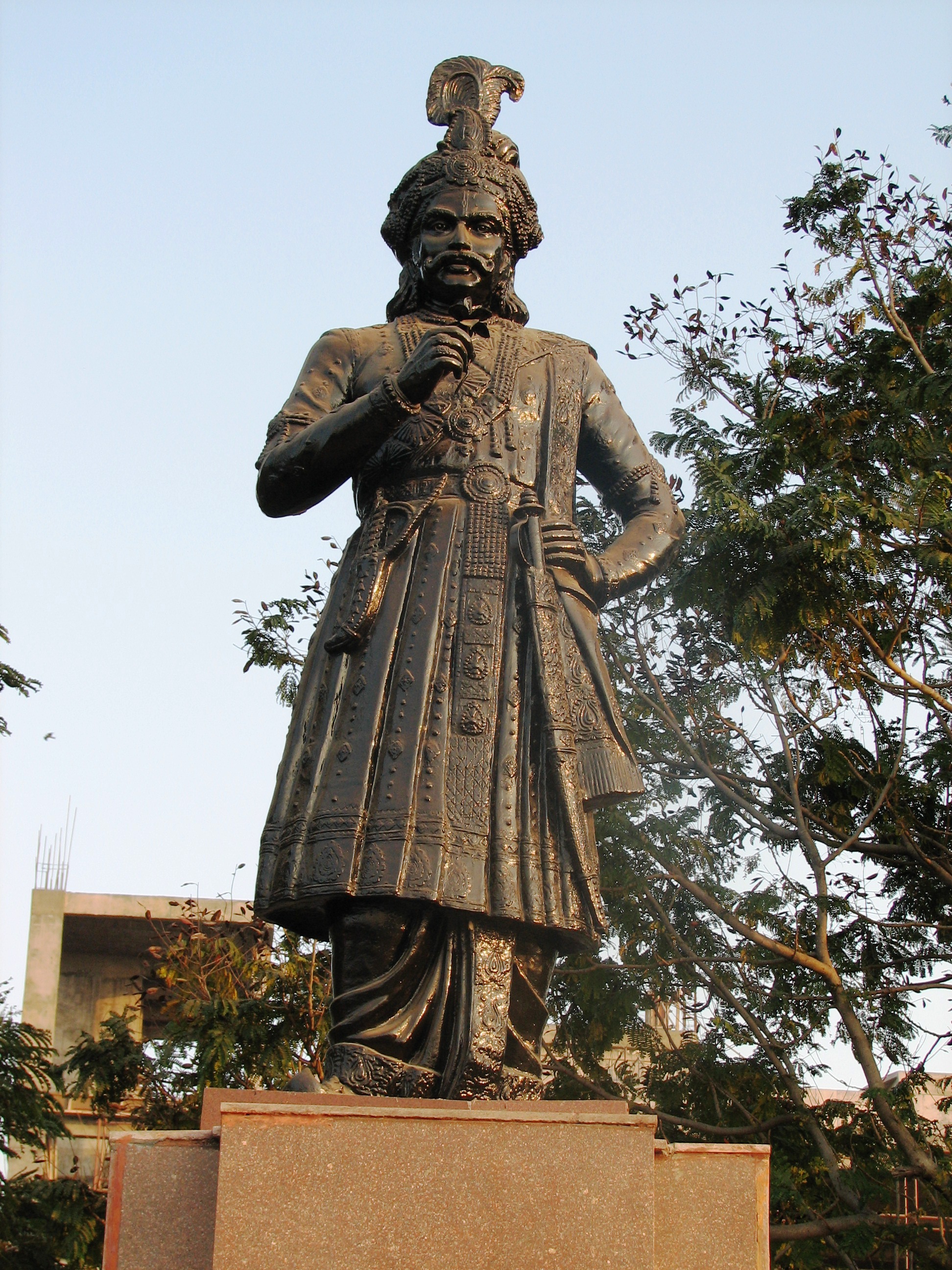
The Rayas was ruling Thanjavur after the Cholas. They stopped the Islamic and Foreign influences developing in the district. The reign contributed much in preserving the old Hindu artistic traditions. Krishnadevaraya, the king of Vijayanagara Rayas has his massive reign from Tungabhadra river to Kanyakumari. Woah that’s vast! He visited the holy places and donated golds for the establishment of art and architecture. Krishnadevaraya is such a kind person as shown in ‘Thenali Raman’ cartoons.
Thanjavur Nayakas
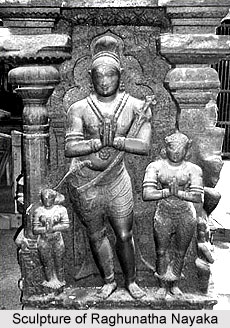
The Nayakas were ruling the place under Rayas. They treated Thanjavur as the 3rd important state next to Senji and Madurai. Achyutarya, half brother of Krishnadevaraya was the king and later Sevappa Nayaka ruled for many years further. After the reign of Achyutappa, the empire transferred to the hands of Raghunatha Nayaka and many artists migrated to Mysore which created ‘Mysore paintings‘. Both Mysore and Tanjore paintings are quite similar also they have few differences according to traditional customs as well. Raghunatha Nayaka successfully carried out many plans like building schools for training artists and flourished art culture in the land.
Marathas
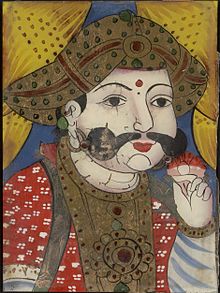
The mighty Marathas defeated Rayas and Nayakas and took the throne. Ekoji (half-brother of Chathrapathi Sivaji) ruled initially and later Sarabhoji was placed in the throne. He fought the British administration who planned to colonise Thanjavur. During this period many innovations in Tanjore paintings developed. After the death of Shivaji II, the rule came to an end. East India Company drafted ‘Doctrine of Lapse’ and took over Thanjavur. The Chettiar community continued practising and preserving the Tanjore paintings. Since they’re the followers of Shiva, the painting had a Shaivite theme with 63 Nayanmars and 64 Thiruvilayadal Puranam. Britishers also patronised this practice of art and helped in their growth.
The Making
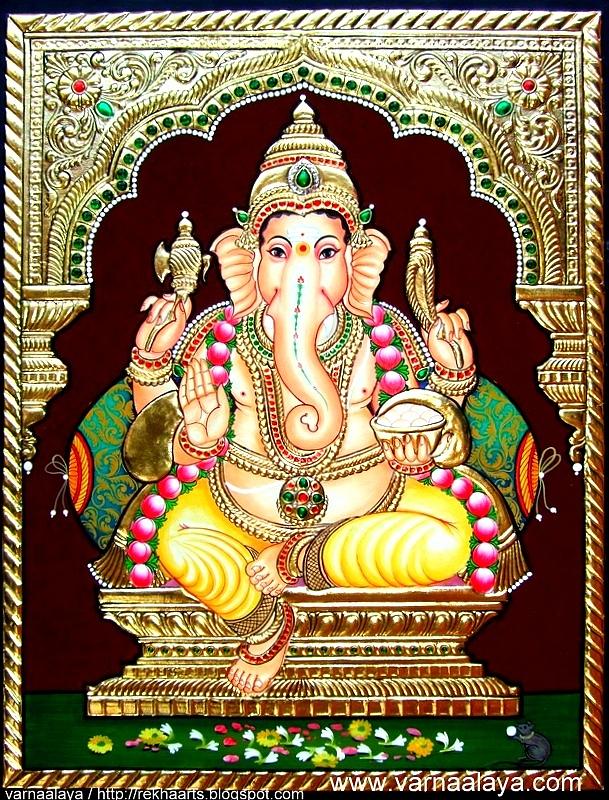
Lord Ganesha 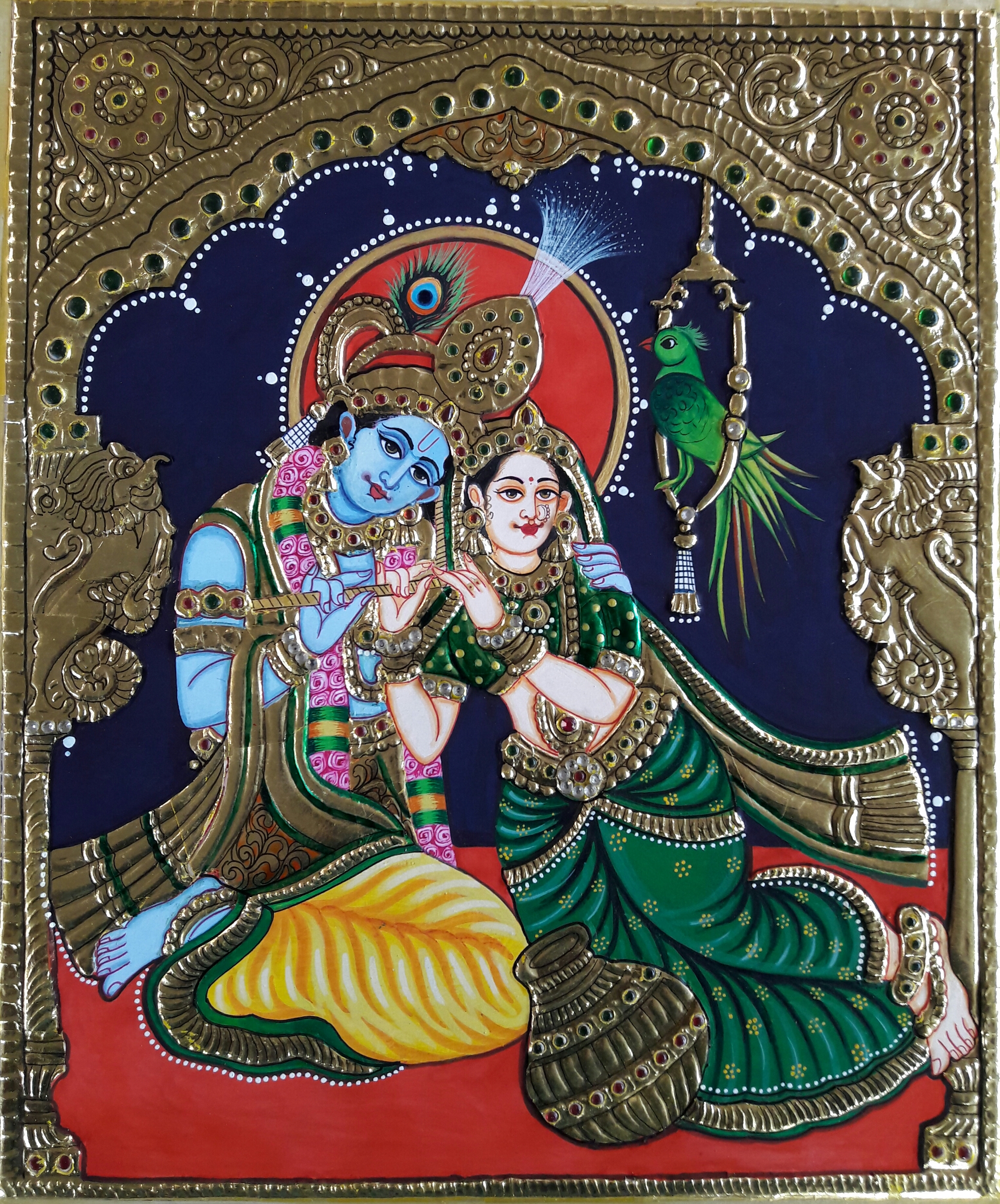
Lord Krishna and Radha
Each artist has their unique techniques to create Tanjore painting. Let me provide you with a traditional common procedure in a step by step process,
1.Preliminary sketch of the subject is done on a cloth which acts as a base.
2.The cloth is pasted to a wooden base (Jackfruit/Teak/Plywood is preferred).
3.Chalk powder/Zinc oxide is mixed with water which becomes a soluble adhesive and applied on a wooden base. It is commonly called as ‘Sukkan/Makku’.
4.As you can see, every Tanjore paintings will be glowing, this is because the artists ornament it with coloured cut glasses, pearls and precious stones. They also sometimes use thread/laces for decoration.
5.Finally, they attach gold sheets for giving the augment effect and colour other parts with bright colour.
In early days vegetable and mineral dyes were used to paint, but in today’s practice chemical synthetic dyes are used owing to its availability. The outline colour is mostly black/ red/ brown/ green. Lord Vishnu is coloured blue and Goddess Sivakami in green. The main subjects are placed in an arch or curtains and decorative borders. The main subject is larger than the others and placed at the centre
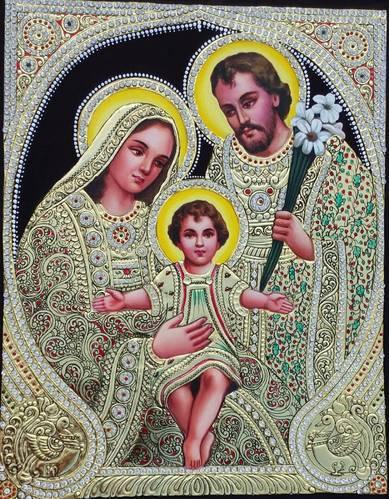
Holy Family of Lord Jesus 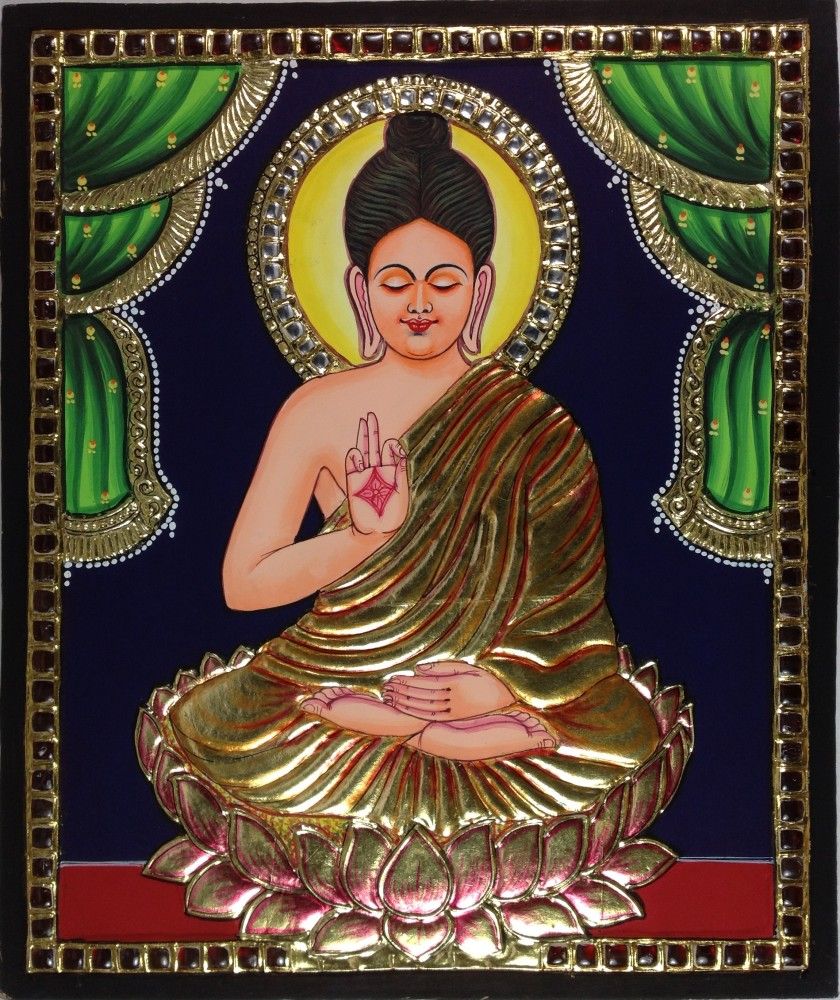
Lord Buddha
Conclusion
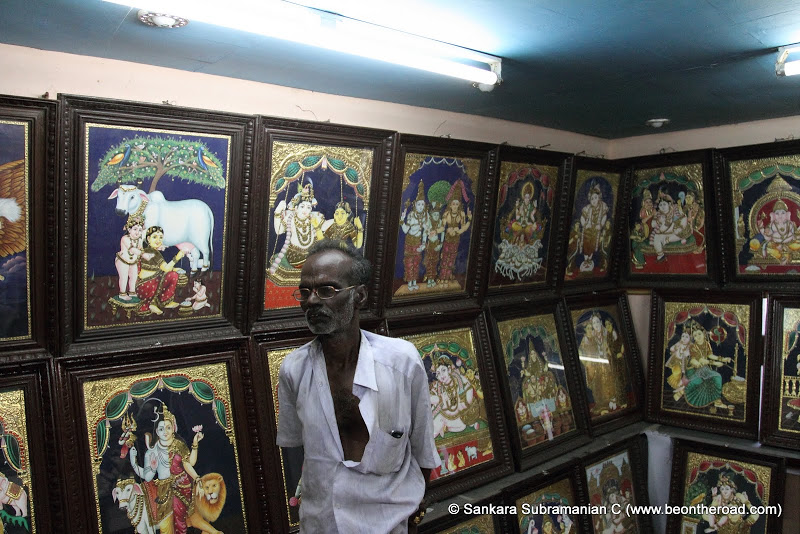
Art Gallery of Tanjore paintings 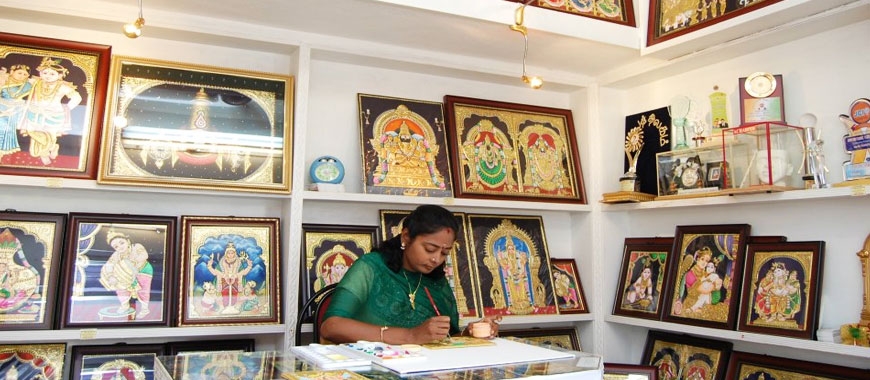
Tanjore painting shops in Tamilnadu
You can still find Tanjore paintings decorated with flowers in pooja rooms of Hindus. Sadly, most of our Indian traditional art is disappearing in this modern era. Revival programs, art exhibitions and workshops are conducted to help Tanjore paintings survive and preserve our cultural beauty among booming westernization and technological outbreak.


 Musée du Ben
Leave a reply to kavisanmathi Cancel reply